The Role of Custom Blow Molding in Sustainable Plastic Solutions
Understanding Custom Blow Molding
Overview of Blow Molding Techniques
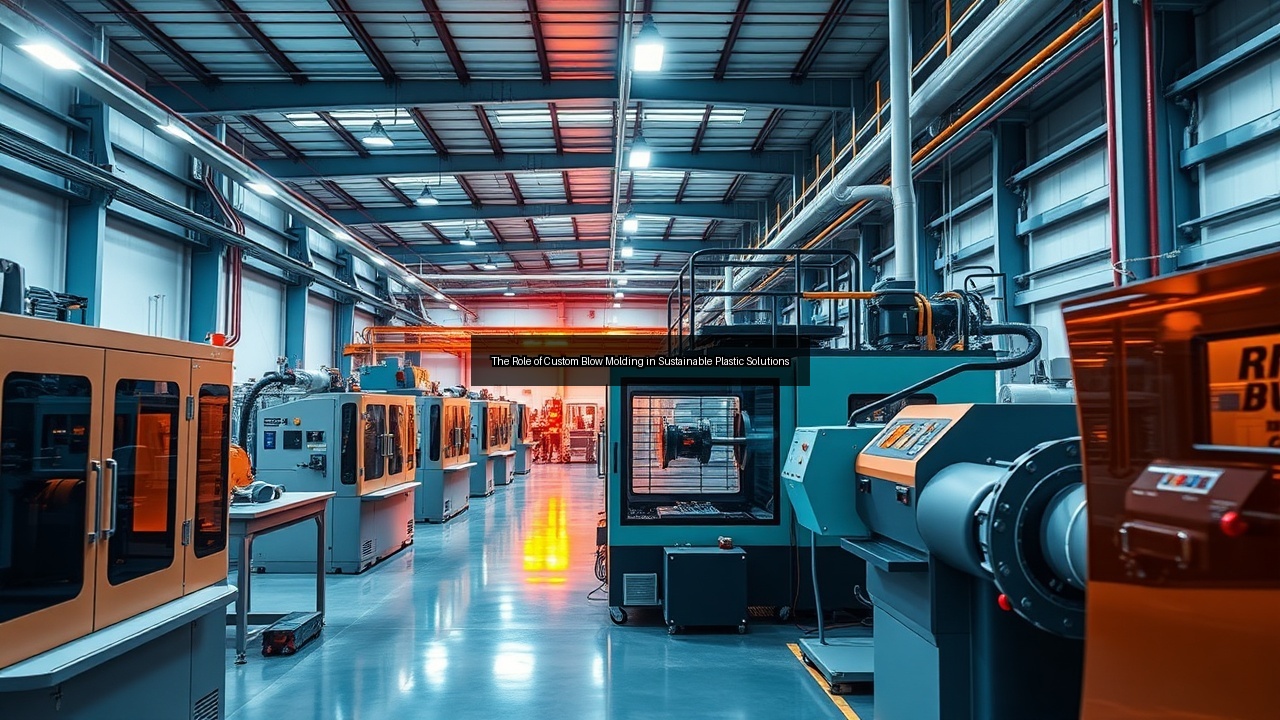
Manufacturers rely on custom blow molding to produce hollow plastic parts with precision and efficiency. This process heats plastic resin and inflates it inside a mold to form containers, ducts, and other shapes. Extrusion blow molding stands out for creating large items like fuel tanks, while injection blow molding suits smaller, high-detail bottles. Companies select custom blow molding when standard methods fall short on design requirements. The technique supports rapid production cycles and consistent wall thicknesses across batches. Engineers adjust parison thickness and mold temperature to match specific material behaviors. Custom blow molding also integrates with robotics for automated trimming and quality checks. Businesses achieve cost savings through reduced material waste and faster mold changes. Overall, the method delivers versatile solutions that meet tight tolerances in demanding applications.
Differences Between Stretch Blow Molding and Injection Blow Molding
Stretch blow molding stretches the heated preform both axially and radially to enhance strength and clarity in PET bottles. This biaxial orientation improves barrier properties against gases and liquids. Injection blow molding first injects molten plastic into a preform mold, then transfers it to a blow mold for inflation. The process yields precise neck finishes without secondary operations. Injection stretch blow molding combines both approaches for premium packaging that demands high gloss and impact resistance. Custom blow molding projects often compare these methods based on volume, material type, and required mechanical properties. Stretch blow molding excels with lightweight containers for beverages, whereas injection blow molding fits medical vials and cosmetics. Engineers evaluate cycle times and tooling costs when choosing between them. Each technique supports different resin grades and final part geometries.
Key Advantages of Custom Blow Molding
Custom blow molding provides design flexibility that standard processes cannot match. Engineers create complex internal channels and ergonomic shapes without assembly steps. The method reduces part weight while maintaining structural integrity through optimized wall distribution. Manufacturers gain quick turnaround on prototypes by modifying existing blow molds rather than building new tooling from scratch. Custom blow molding services deliver consistent output across high volumes with minimal scrap. Material versatility allows use of recycled resins alongside virgin grades. The process supports undercuts and integrated handles that lower downstream labor. Companies also benefit from lower energy consumption compared to injection molding for hollow parts. These advantages position custom blow molding as a practical choice for sustainable product lines.
The Importance of Sustainability in Plastics Manufacturing
Environmental Impact of Traditional Plastics
Traditional plastics accumulate in landfills and oceans because many grades resist natural breakdown. Production from virgin petroleum feedstocks generates significant carbon emissions and depletes finite resources. Single-use items exacerbate waste streams when collection systems fail. Custom blow molding addresses these issues by enabling thinner walls and optimized designs that cut material usage. Manufacturers track life-cycle assessments to quantify reductions in energy and emissions. The industry faces pressure from regulations that limit certain additives and packaging formats. Consumers increasingly demand accountability from brands that rely on blow-molded products. Addressing these impacts requires shifts toward closed-loop systems and alternative feedstocks. Custom blow molding supports that transition through efficient processing of sustainable resins.
The Role of Blow Molding in Reducing Plastic Waste
Blow molding reduces plastic waste by forming parts in a single operation that minimizes trimming scrap. Custom blow molding solutions incorporate regrind directly into new production runs without quality loss. Lightweighting programs achieve 15 to 30 percent material savings per container while preserving performance. Multi-layer constructions allow recycled cores with virgin outer skins for food-contact compliance. The process enables easy incorporation of post-consumer resin in blow molds designed for consistent flow. Manufacturers audit material yields to identify further waste-reduction opportunities. Custom blow molding also facilitates take-back programs by producing durable, reusable containers. These practices lower overall environmental footprints across supply chains. Companies that adopt such methods meet corporate sustainability targets more effectively.
Innovative Materials for Sustainable Blow-Molded Products
Bio-based polymers derived from sugarcane and corn now perform reliably in custom blow molding equipment. These resins maintain clarity and strength comparable to conventional PET. Recycled HDPE and PP grades undergo advanced filtration to remove contaminants before entering the blow mold. Additives improve melt strength and enable thinner, more recyclable structures. Custom blow molding services test compatibility with new materials during initial trials. Compostable options emerge for short-life applications where collection proves impractical. Blends of recycled and virgin content balance cost with environmental goals. Engineers optimize processing parameters to prevent degradation of sensitive sustainable resins. The result is a growing portfolio of blow-molded products that meet both performance and circular-economy criteria.
Applications of Custom Blow Molding
Consumer Goods and Packaging Solutions
Custom blow molding shapes detergent bottles, shampoo containers, and food jars that dominate retail shelves. Designers specify ergonomic grips and measured dispensing features directly into the blow mold. The process accommodates vibrant colors and textured surfaces that enhance brand identity. Lightweight custom blow molds lower shipping costs for high-volume consumer products. Manufacturers meet strict barrier requirements for oils and sauces through multi-layer constructions. Custom blow molding services deliver rapid color changes and label integration in one pass. Brands achieve shelf differentiation while maintaining production speeds above 10,000 units per hour. These capabilities make the method indispensable for modern packaging strategies.
Automotive and Industrial Uses of Blow-Molded Components
Automotive suppliers use custom blow molding to produce air ducts, washer reservoirs, and fuel tanks with complex routing. The technique creates seamless hollow parts that reduce leak points and assembly time. Industrial applications include chemical drums and agricultural tanks that withstand harsh environments. Custom blow molds incorporate ribs and bosses that add stiffness without extra weight. Manufacturers select high-density resins for impact resistance in under-hood conditions. Custom blow molding solutions also support large-format products such as playground equipment and kayaks. The process handles engineering resins that meet flame-retardant and UV-stability standards. These components improve vehicle efficiency and industrial durability alike.
Medical Devices and Their Custom Blow Molding Needs
Medical device makers depend on custom blow molding for sterile fluid containers, breathing circuits, and specimen collection systems. The process achieves the tight tolerances required for leak-free seals and precise volume markings. Clean-room production environments maintain ISO-class standards throughout blow mold operation. Custom blow molding services validate materials for biocompatibility and gamma sterilization resistance. Thin-wall designs reduce plastic volume in single-use devices, supporting hospital waste-reduction initiatives. Engineers integrate luer fittings and threaded necks directly into the mold to eliminate secondary machining. Traceability features such as molded-in lot codes enhance regulatory compliance. These specialized capabilities ensure safe, reliable performance in critical healthcare settings.
Selecting a Custom Blow Molding Manufacturer
Criteria for Choosing a Leading Edge Manufacturer
A leading edge manufacturer maintains modern blow molding machinery with closed-loop process control. Look for in-house engineering teams that collaborate on part optimization from concept through production. Review their experience with sustainable resins and multi-layer constructions. Custom blow molding partners should demonstrate robust quality systems, including statistical process control and dimensional inspection. Site visits reveal mold maintenance practices and material handling procedures. Evaluate capacity for both prototype runs and full-scale manufacturing. A strong supplier offers material certifications and supports regulatory submissions. These criteria help companies secure reliable, high-quality custom blow molding services.
Custom Blow Molding Services: What to Expect
Custom blow molding services begin with design consultation to refine geometry for manufacturability. Engineers provide mold flow analysis and recommend resin grades that balance performance and cost. Tooling development follows, with blow molds machined from aluminum or steel depending on volume targets. Production trials verify cycle times, wall thickness, and part weight before full release. Ongoing services include inventory management, secondary operations such as labeling, and quality documentation. Customers receive regular reports on yield and material usage. Flexible scheduling accommodates seasonal demand spikes common in consumer packaging. These comprehensive offerings streamline supply chains for blow-molded components.
The Process of Designing Custom Blow Molds
Designing custom blow molds starts with 3D modeling of the finished part and parison shape. Engineers calculate stretch ratios and material distribution to avoid thin spots or weak areas. Cooling channel layouts ensure uniform temperature control across the mold surface. Custom blow molding projects incorporate quick-change inserts for multi-cavity tools that increase output. Simulation software predicts potential defects such as die lines or surface blemishes. Prototype molds allow functional testing before committing to production tooling. Final designs include venting, pinch-off zones, and ejection mechanisms tailored to the resin. This detailed development path yields reliable, efficient blow molds that support long-term manufacturing goals.
Future Trends in Custom Blow Molding
Advancements in Blow Molding Machinery
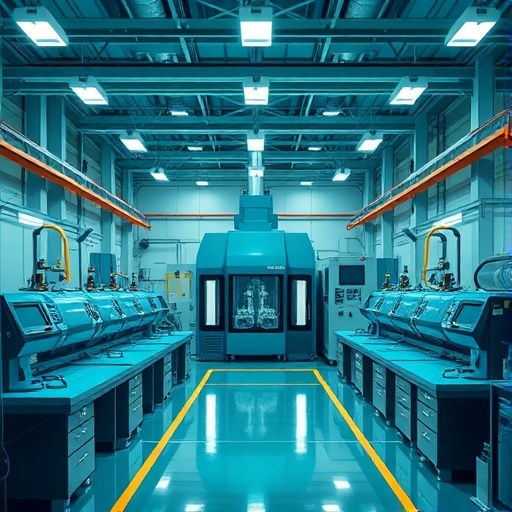
Next-generation blow molding machinery features electric drives that cut energy use by up to 40 percent. Integrated vision systems detect defects in real time and adjust process parameters automatically. All-electric machines deliver cleaner operation suitable for medical and food-grade production. Custom blow molding lines now incorporate robotic handling for faster mold changes and reduced labor. Servo-driven clamping units improve repeatability on complex multi-layer parts. Data analytics platforms track overall equipment effectiveness and predict maintenance needs. These innovations raise throughput while lowering operating costs across custom blow molding facilities.
The Shift Towards Eco-Friendly Blow-Molded Products
Eco-friendly blow-molded products increasingly use ocean-bound plastics and chemically recycled resins. Custom blow molding supports mono-material designs that simplify recycling streams. Brands adopt refillable containers produced through lightweight custom blow molds. PCR content levels continue to rise without compromising aesthetics or barrier performance. Certification programs verify sustainable sourcing and end-of-life attributes. Manufacturers invest in closed-loop systems that reclaim scrap directly at the machine. The shift drives broader adoption of custom blow molding solutions aligned with circular economy principles.
Predictions for the Future of Plastic Solutions in Manufacturing
Plastic solutions will emphasize digital twin technology that simulates entire custom blow molding processes before production. Hybrid materials combining bio-polymers with recycled content will dominate new product development. Regulatory frameworks will reward designs optimized for recyclability and reduced carbon footprints. Custom blow molding will expand into larger structural components as machinery capabilities grow. Additive manufacturing will accelerate tooling iterations for blow molds. Overall, the industry will deliver lighter, stronger, and more sustainable plastic parts that meet evolving market and environmental demands.